
Warehousing and Fulfillment: How Kent Valley Facilities Handle Your Inventory
Warehousing and fulfillment work together to store, pick, pack, and ship your products from the Kent Valley. Learn how fulfillment logistics works and what to look for in a Puget Sound 3PL partner.
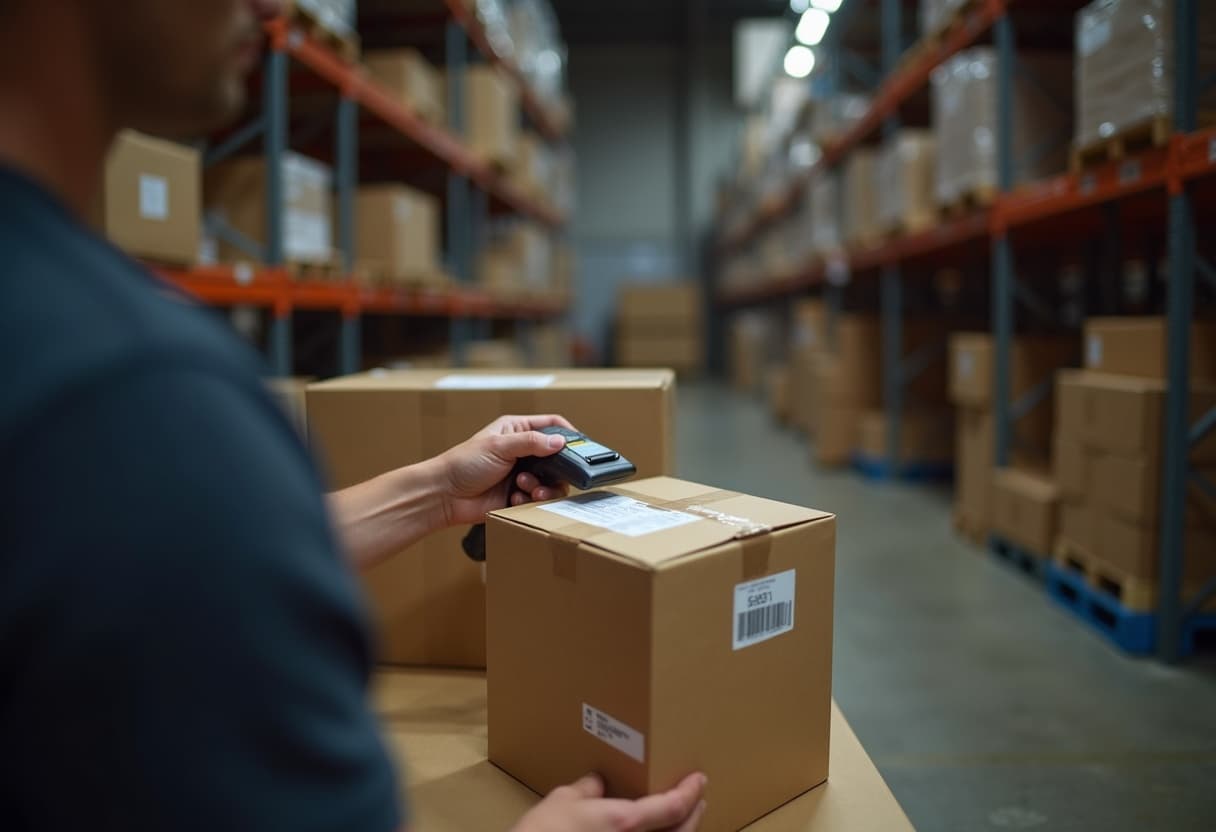
Warehousing and fulfillment are two halves of the same coin. Warehousing holds your inventory; fulfillment gets it to your customers. In the Kent Valley — one of the most concentrated warehousing districts on the West Coast — these services work together to move product from port to shelf to doorstep without changing hands multiple times.
What Warehousing and Fulfillment Actually Means
Warehousing is the physical storage of your goods. Your pallets, cases, or loose cargo arrive at a facility, get received and counted, and are placed in a storage location — racking, floor space, or climate-controlled areas depending on the product. You pay for the space your inventory occupies, typically billed per pallet per month.
Fulfillment is the order-processing side. When a customer places an order through your e-commerce platform, the warehouse receives the order electronically, a picker locates the items in storage, a packer prepares the shipment, and a carrier picks it up for delivery. You pay per order or per pick, plus packaging materials.
Combined, warehousing and fulfillment means your storage partner also handles order processing — no separate fulfillment center, no freight transfer between facilities. This integration saves time and reduces handling damage.
How the Process Works in a Kent Valley 3PL
The Kent Valley runs along the SR 167 corridor through Kent, Sumner, and Auburn, roughly 15 miles south of Seattle and 20 miles northeast of Tacoma. It holds over 60 million square feet of industrial warehouse space, making it one of the largest logistics clusters on the West Coast.
Here is how a typical warehousing and fulfillment cycle works from a Kent Valley facility:
1. Inbound Receiving
Your product arrives at the warehouse by truck or ocean container. If you import through the Port of Seattle or Port of Tacoma, drayage services move your containers from the terminal to the warehouse. The receiving team unloads the freight, counts it against the packing list, inspects for damage, and enters it into the warehouse management system (WMS).
At All Season Warehouse, inbound containers are received at the facility in Sumner, WA — directly off the drayage truck. Containers can be floor-loaded or devanned into pallets for racking. For importers needing transloading services, the same facility can transfer product from ocean containers to domestic trailers for onward shipping.
2. Storage
Once received, inventory is assigned a storage location. Fast-moving products go to accessible forward-pick locations. Slower-moving inventory goes to bulk racking or reserve storage. The WMS tracks every pallet by SKU, quantity, and location, so the fulfillment team knows exactly where to find each item when an order comes in.
Storage rates depend on whether you need standard dry storage, climate-controlled space, or hazmat-compliant areas. Most Kent Valley warehouses charge per pallet per month, with discounts for long-term contracts and volume commitments.
3. Order Fulfillment
When a customer orders from your online store, the order flows into the WMS through an API integration with your e-commerce platform — Shopify, WooCommerce, Amazon, or a custom system. The WMS generates a pick list, and a warehouse associate picks the items from their storage locations.
After picking, the order moves to packing. The packer selects the right box size, adds protective materials, prints the shipping label, and applies it. The packed order goes to the outbound staging area for carrier pickup.
Most Kent Valley 3PLs offer same-day fulfillment for orders received before a daily cutoff, and next-day for orders received after cutoff. Carriers like UPS, FedEx, and USPS pick up daily from facilities along the SR 167 corridor.
4. Returns Processing
Returns — also called reverse logistics — are a standard part of fulfillment. When a customer returns a product, it arrives back at the warehouse, gets inspected, and is either restocked as sellable inventory, flagged for refurbishment, or disposed. A good 3PL handles returns with the same tracking and reporting as outbound orders.
What to Look for in a Warehousing and Fulfillment Partner
Not every warehouse in the Kent Valley offers fulfillment. Some are pure storage plays. If you need both, here is what matters:
WMS integration. The warehouse management system must connect to your e-commerce platform through a real-time API. Without integration, orders get processed manually, which adds delays and errors. Ask whether the 3PL supports your specific platform before signing.
Inventory visibility. You should be able to log in and see real-time inventory levels, pending orders, and shipment tracking. If the 3PL only sends a weekly spreadsheet, you are flying blind.
Pick accuracy. A good 3PL maintains 99.5% or higher pick accuracy. That means fewer than 5 wrong items shipped per 1,000 orders. Ask for their accuracy rate and what happens when a mispick occurs.
Location. A warehouse in the Kent Valley gives you proximity to both the Port of Seattle and Port of Tacoma for inbound freight, plus same-day delivery to the Seattle metro area for outbound parcels. The SR 167 corridor provides direct highway access north to Seattle and south to Tacoma. Our warehouse services guide covers this in more detail.
Scalability. Your fulfillment volume will fluctuate — holiday peaks, product launches, seasonal swings. The 3PL should handle surge volume without a drop in service level. Ask how they staff for peak season and whether they have overflow space.
The Cost Structure: What You Pay For
Warehousing and fulfillment pricing has several components:
Storage: $15 to $35 per pallet per month in the Kent Valley market, depending on contract length and storage type.
Receiving: $25 to $50 per inbound container or $2 to $5 per pallet for loose freight.
Pick and pack: $3 to $8 per order for standard picks, with add-ons for kitting, gift wrapping, or custom packaging.
Shipping: Passed through at carrier rates, sometimes with a negotiated discount.
Returns: $5 to $15 per returned item for inspection and restocking.
The biggest cost driver is not the per-unit rate — it is how efficiently the 3PL manages your inventory. A warehouse with accurate picking and fast turnaround reduces your customer service overhead and returns rate, which saves money that dwarfs the per-pallet storage cost.
Why the Kent Valley for Warehousing and Fulfillment
The Kent Valley's location between Seattle and Tacoma, with highway access via I-5 and SR 167, gives it a freight advantage that few other West Coast markets can match. Drayage from both ports reaches the valley in under 90 minutes. Parcel carriers pick up from every facility on the corridor. And the concentration of warehouses means that warehousing-distribution services, transloading, cross-docking, and fulfillment all exist within a few miles of each other.
If you are importing through Puget Sound and need a partner that can store your inventory and ship your orders from the same facility, contact us or call (253) 246-2125 to discuss your volume and requirements.
Frequently asked questions
What is the difference between warehousing and fulfillment?+
Warehousing is the storage of your inventory in a facility. Fulfillment is the process of receiving customer orders, picking the right products from storage, packing them for shipment, and dispatching them to the end buyer. Warehousing is about holding inventory; fulfillment is about moving it out the door. Most Kent Valley 3PL providers offer both as an integrated service.
How much does warehousing and fulfillment cost in the Kent Valley?+
Warehousing is typically billed per pallet per month, ranging from $15 to $35 per pallet depending on storage duration and climate control needs. Fulfillment is billed per order or per pick, usually $3 to $8 per order plus packaging materials. Long-term storage contracts offer lower per-pallet rates. Contact a Kent Valley warehouse directly with your volume estimates for a same-day quote.
What is 3PL warehousing and fulfillment?+
3PL (third-party logistics) means outsourcing your warehousing and fulfillment to an external provider. The 3PL receives your inbound freight, stores it, picks and packs individual orders as they come in, and ships them to your customers. In the Kent Valley, 3PL providers also handle transloading, cross-docking, and drayage from the Port of Seattle and Port of Tacoma.
How long does order fulfillment take from a Kent Valley warehouse?+
Standard fulfillment from a Kent Valley facility processes orders within 24 to 48 hours of receipt. Same-day fulfillment is available for orders received before a daily cutoff (usually 11 AM or noon). Shipping transit times from Kent to the Seattle metro area are 1 day, and 2 to 3 days to the East Coast via ground service.