
Transloading vs. Cross-Docking: What's the Difference, and When to Use Each
Transloading and cross-docking both keep freight moving without long-term storage — but they solve different problems. Here's how to tell which one your shipment needs.
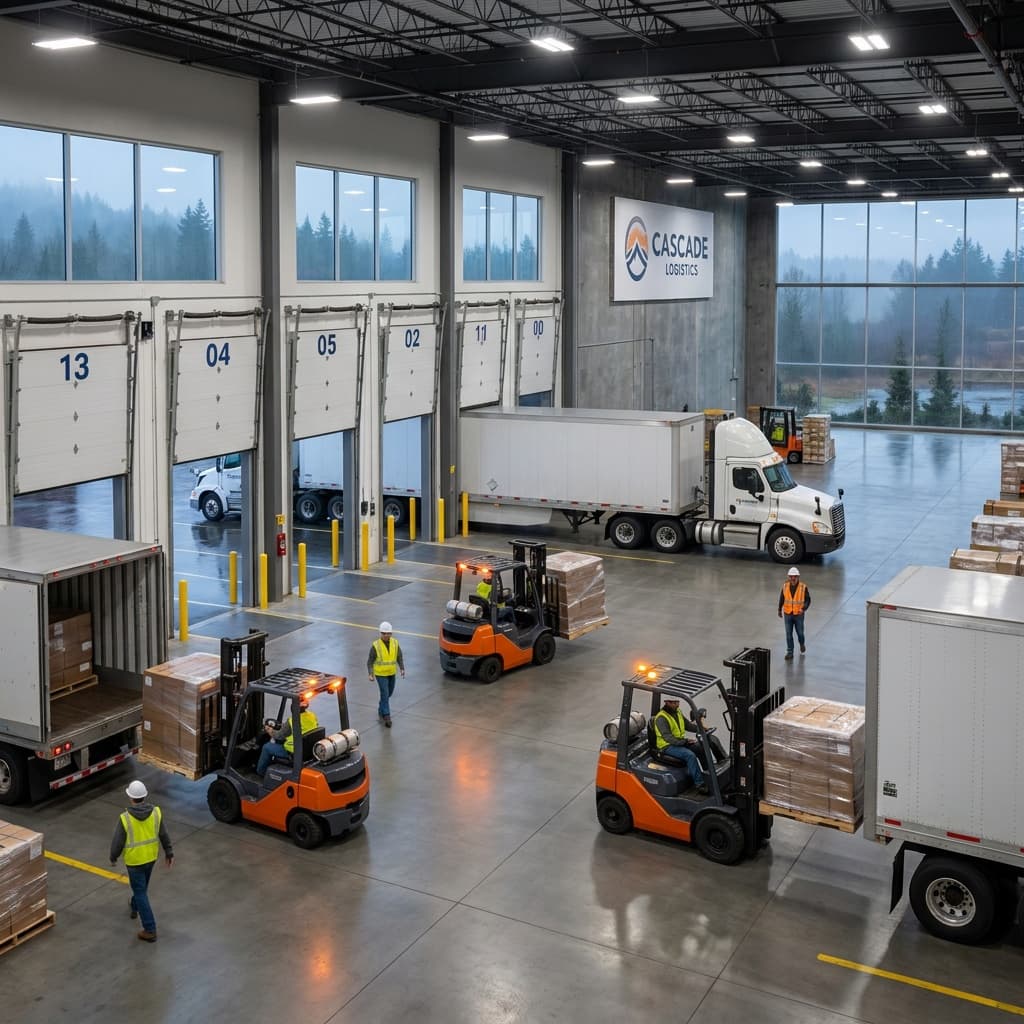
"Transloading" and "cross-docking" get used interchangeably, but they're not the same thing — and choosing the right one can shave days and dollars off a shipment. Here's the plain-English version.
Cross-docking: change the destination
Cross-docking is about sorting and re-routing. Freight arrives on an inbound truck, gets moved across the dock, and goes straight onto one or more outbound trucks headed to their final destinations. There's little or no storage in between — the dock is a sorting hub, not a warehouse.
Use cross-docking when:
- You're consolidating multiple inbound shipments into fewer outbound loads
- You're breaking one large inbound shipment into regional deliveries
- Speed matters more than holding inventory
Transloading: change the vehicle
Transloading is about changing the mode or container. The classic example: an ocean container arrives from the port, the goods are unloaded, and they're reloaded into a domestic 53-foot trailer for the long haul inland.
Why bother? Because ocean containers and domestic trailers aren't interchangeable. A 40-foot marine box holds far less than a 53-foot domestic trailer, and you want that expensive container back at the port as fast as possible to avoid per-diem charges.
Use transloading when:
- Freight arrives in ocean containers but needs to travel domestically
- You want to free up marine containers quickly
- You're consolidating several import containers into fewer domestic trailers
How they work together
In practice, the two often happen back to back. A container comes off the ship, gets drayed to our Kent facility, transloaded into domestic trailers, and those trailers may be cross-docked to split freight toward different regional destinations — all without the goods entering long-term storage.
That's the advantage of running both under one roof with an on-site Container Freight Station: your freight flows through the building instead of parking in it. Less dwell, lower cost, faster delivery.
Not sure which your shipment needs? Tell us what you're moving and we'll map the fastest path from the port to your door.
Frequently asked questions
What is the difference between transloading and cross-docking?+
Transloading moves freight between different modes or container types — for example, unloading an ocean container and reloading the goods into a domestic 53-foot trailer. Cross-docking moves freight from an inbound truck to an outbound truck with little or no storage in between. Transloading is about changing the vehicle; cross-docking is about changing the destination.
Does transloading require a warehouse?+
It requires dock and floor space to stage goods during the transfer, but not long-term storage. A facility with a Container Freight Station and ample cross-dock space can transload a container in hours, not days.
Which is cheaper, transloading or warehousing?+
For freight that needs to keep moving, transloading and cross-docking are almost always cheaper than warehousing because you avoid storage fees and per-diem container charges. Warehousing makes sense when you need to hold inventory close to demand.