
Cross Docking Near Me: Finding the Right Warehouse Partner in the Kent Valley
Searching for cross docking near you in the Puget Sound region? Here's what to look for in a local cross-dock partner and why the Kent Valley gives you a freight advantage.
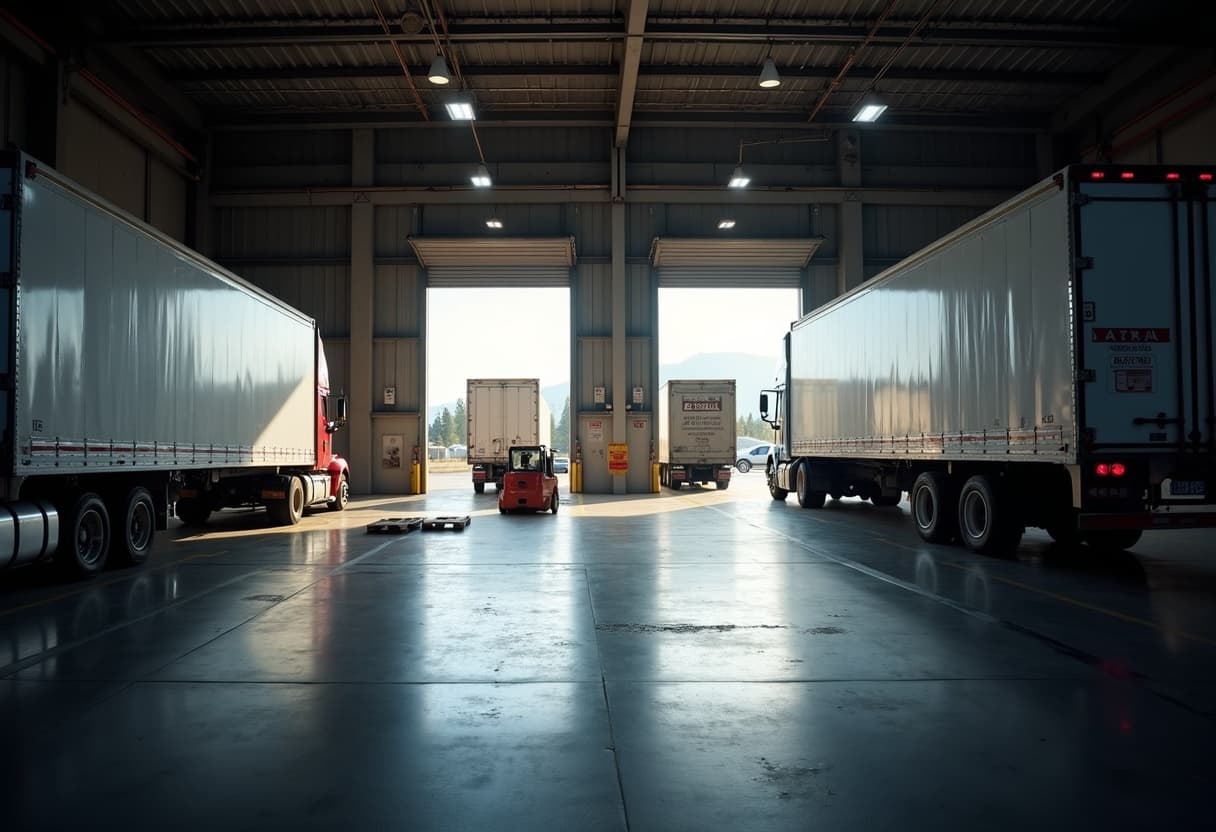
If you searched "cross docking near me," you're probably trying to move freight fast without paying for storage you don't need. Maybe containers are stacking up at the Port of Tacoma. Maybe you need to break a bulk shipment into regional deliveries without warehousing it for a week. Either way, you want a dock close to your freight — not a facility two hours away that charges you for the privilege of waiting.
Here's what to look for in a local cross-dock partner in the Puget Sound region, and why location matters more than most shippers realize.
Why "near me" is the right question
Cross-docking lives or dies on transit time. The whole point is to skip long-term storage and keep product moving — unload inbound, sort, reload outbound, done. Every extra mile between the port, your warehouse, and your customer's destination is a mile you pay for in drayage fees, driver hours, and container per-diems.
A warehouse in the Kent Valley sits between the Port of Seattle and the Port of Tacoma, with straight shots up I-5 and across SR-167. That geography means containers get picked up faster, sorted sooner, and back on the road the same day. If you're importing through Puget Sound, a Kent Valley cross-dock is about as "near me" as it gets without being inside the terminal gates.
What to look for in a cross-docking partner
Not every warehouse that says "cross-docking" can actually do it well. Here's what separates a real cross-dock operation from a storage facility with a loading door:
Dock capacity and door count
Cross-docking requires simultaneous inbound and outbound activity. A facility with a handful of doors will bottleneck the moment two trucks arrive at once. Look for a warehouse with enough dock doors to handle multiple inbound trailers being stripped and sorted at the same time outbound loads are being built. All Season Warehouse operates a 200,000-square-foot facility with the dock capacity to run inbound and outbound simultaneously without queueing trucks in the yard.
Transloading and CFS capability
If your freight is in ocean containers, you need more than just a dock — you need a Container Freight Station (CFS). A CFS-licensed facility can legally receive, unload, and redistribute international cargo. That means your container gets stripped, the goods go straight into domestic trailers, and the marine box gets returned the same day. No per-diem charges piling up.
Our transloading and cross-docking service handles both: ocean-to-truck transloading for imports, and pure cross-docking for domestic freight that just needs sorting and forwarding.
Drayage fleet in-house
A cross-dock is only as fast as the trucks feeding it. If your warehouse partner has to call a third-party drayage carrier every time a container lands at the port, you're adding a phone call, a dispatch delay, and a markup to every move. All Season Warehouse runs a 55-truck drayage fleet in-house, which means the same partner that owns the dock also owns the trucks picking up your containers. No handoffs, no finger-pointing, no wasted hours.
The Kent Valley advantage for Puget Sound shippers
If you're searching "cross docking near me" from anywhere in the Seattle–Tacoma corridor, the Kent Valley is the answer — and here's why it's not just about distance.
The Kent Valley industrial corridor runs from Kent through Auburn and Sumner, and it's one of the densest distribution corridors on the West Coast. That density means carrier networks already run through here. Trucks are already making pickups and deliveries in this area daily, which means your outbound freight gets picked up faster and routed more efficiently than if it were sitting in a remote warehouse.
For a deeper look at why this area concentrates so much logistics activity, see our Kent Valley logistics hub overview.
When to choose cross-docking over warehousing
Cross-docking is the right call when:
- You need speed, not storage. Your freight has a destination and a deadline — the warehouse is a sorting hub, not a home.
- You're consolidating or deconsolidating. Multiple inbound shipments need to become fewer outbound loads, or one large inbound needs to split into regional deliveries.
- You want to avoid per-diem container charges. Getting an ocean container stripped and returned the same day saves you $100–$300 per day in container fees.
If you need to hold inventory close to demand for weeks or months, traditional warehousing and distribution is the better play. Not sure which you need? Tell us what you're moving and we'll map the fastest, cheapest path from port to destination.
Cross-docking vs. transloading: do you need both?
These two services get confused, and the distinction matters when you're choosing a partner. Cross-docking moves freight from one truck to another — same mode, different destination. Transloading moves freight between different modes — typically ocean container to domestic trailer. If you're importing, you probably need both on the same dock. We break down the differences in our transloading vs. cross-docking guide.
Getting a cross-docking quote
The fastest way to get a cross-docking quote is to call with your shipment details ready:
- Origin and destination — where is the freight now, and where does it need to go?
- Container or trailer type — 40-foot ocean container, 53-foot dry van, refrigerated?
- Pallet count and weight — how much are we sorting?
- Timeline — when does it need to arrive?
All Season Warehouse serves Kent, Sumner, Auburn, Seattle, Tacoma, and the broader Pacific Northwest from a single facility in the Kent Valley. Reach out and we'll turn around a quote the same business day.
The bottom line
When you search "cross docking near me," you're not just looking for a warehouse with a loading dock. You're looking for a partner who can receive your freight, sort it, reload it, and get it back on the road without charging you for storage you never needed. The right partner is close to the ports, has the dock capacity to handle your volume, runs their own drayage fleet, and can transload ocean containers if that's what your supply chain requires.
That's exactly what we do from the Kent Valley. Call us at (253) 246-2125 or request a quote online — we'll have your freight moving by tomorrow.
Frequently asked questions
What does cross docking near me actually involve?+
Cross docking means your inbound freight is unloaded at a warehouse dock and immediately reloaded onto outbound trucks headed to their final destinations, with little or no storage time in between. A local cross-dock partner near the Kent Valley can sort, consolidate, and redistribute your shipments the same day they arrive, cutting transit time and storage cost.
How close should my cross-docking warehouse be to the ports?+
The closer the better. Drayage is billed by the mile and by the hour, so a warehouse within a short drive of the Port of Seattle or Port of Tacoma keeps container pickup costs low. All Season Warehouse sits in the Kent Valley between both ports, with direct access to I-5 and SR-167.
Can cross docking handle both ocean containers and domestic trailers?+
Yes. A facility with transloading and Container Freight Station capabilities can receive an ocean container, unload it, and reload the goods into domestic 53-foot trailers on the same dock. That eliminates the need to return the marine container quickly, reducing per-diem charges.
How do I get a cross-docking quote for my freight?+
Contact the warehouse with your shipment details: origin, destination, container or trailer type, pallet count, and timeline. A Kent Valley cross-dock partner like All Season Warehouse can usually turn around a quote the same business day.